
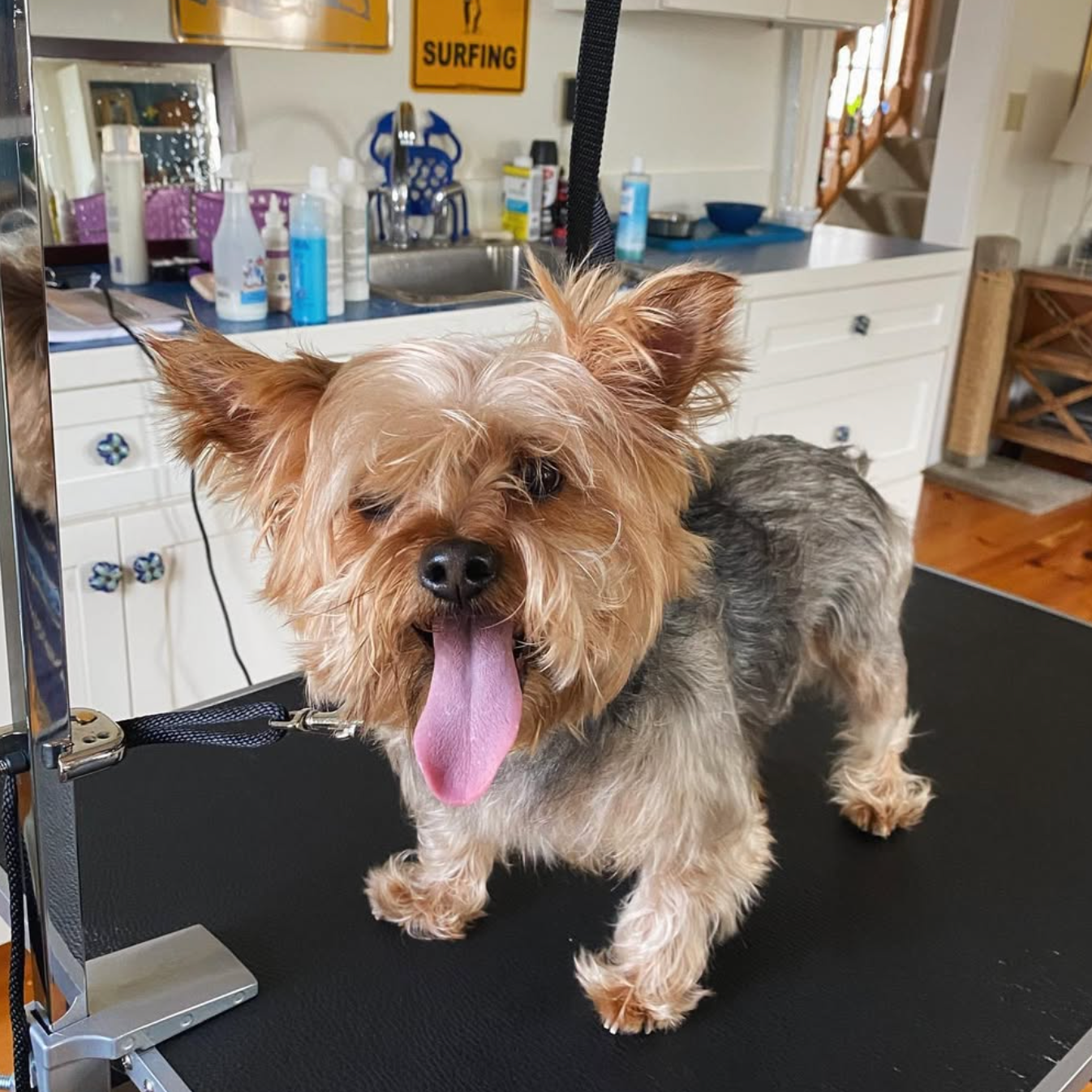
Before
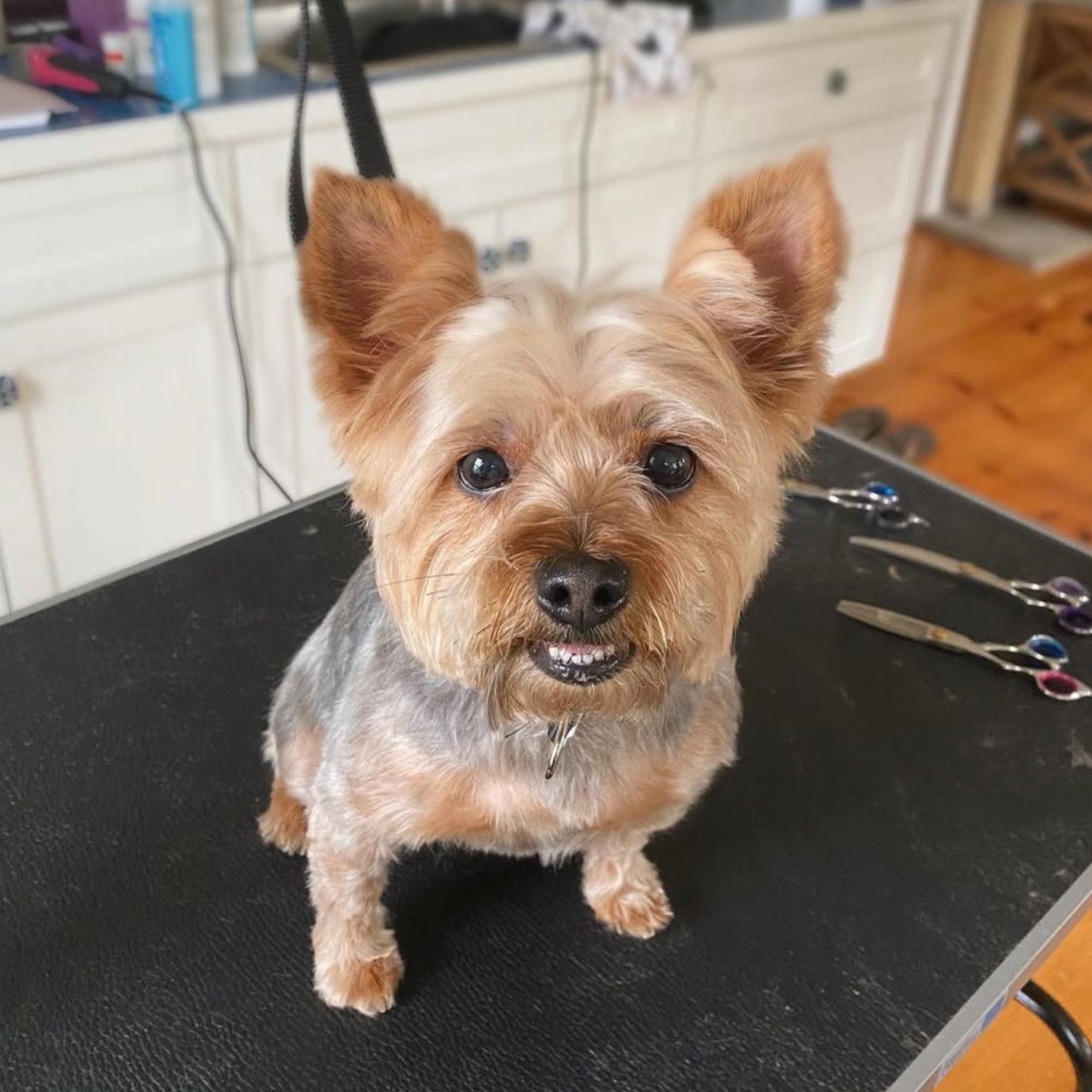
After
One of the questions I hear most often is: “How often should my dog be groomed?”
The honest answer is… it depends.
Just like people, every dog is different. Their coat type, lifestyle, age, health, and even personality all play a role in determining the grooming schedule that’s right for them.
Rather than following a one-size-fits-all calendar, I prefer to create a routine that supports your dog’s individual needs while helping them stay healthy, comfortable, and happy.
Coat Type Is Just the Beginning
Different coats require different kinds of care.
Dogs with continuously growing coats often benefit from more frequent grooming to help prevent matting and keep their coats manageable.
Double-coated breeds typically require regular bathing, brushing, and seasonal de-shedding to maintain healthy skin and coat condition.
Even short-haired dogs benefit from routine grooming. Regular bathing, nail care, ear cleaning, and brushing help remove loose hair, reduce shedding, and support overall skin health.
While breed can offer some guidance, it never tells the whole story.
Lifestyle Matters More Than You Think
A dog that spends weekends hiking, swimming, or exploring the beach will have different grooming needs than one who enjoys quiet days spent at home.
Time outdoors, seasonal weather, swimming, mud, sand, and even pollen can all affect your dog’s skin and coat.
Regular grooming isn’t just about appearance, it’s about keeping your pet comfortable through every season.
Puppies Need Gentle Introductions
For puppies, grooming appointments aren’t simply about getting clean.
They’re about building confidence.
Positive early experiences help puppies learn that grooming is safe, predictable, and even enjoyable. Taking time to introduce the sights, sounds, and handling involved in grooming helps lay the foundation for a lifetime of comfortable, low-stress grooming.
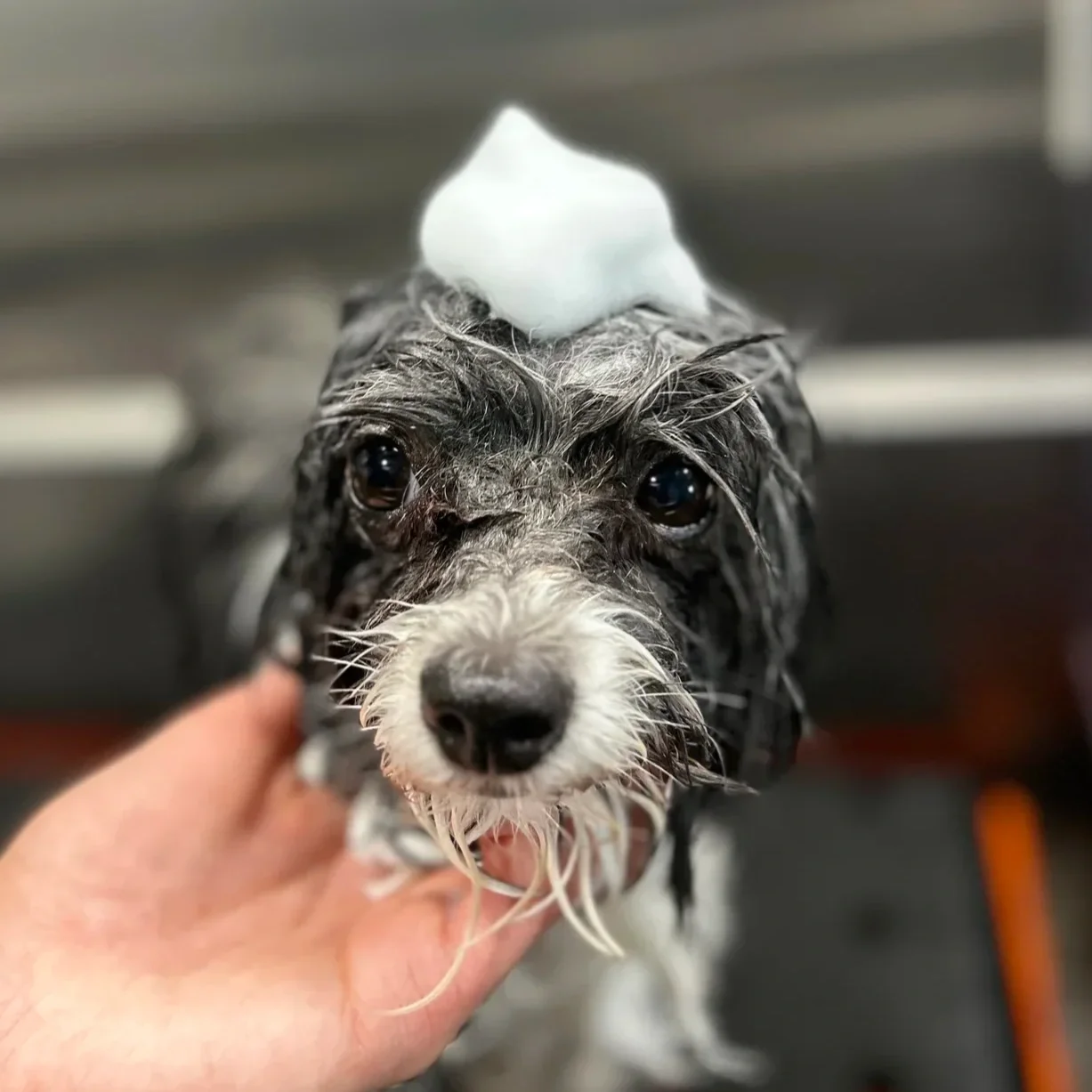
Senior Dogs Often Benefit From a Different Approach
As dogs grow older, their grooming needs often change.
Arthritis, decreased mobility, changes in skin and coat, and reduced tolerance for standing may all influence how appointments are approached.
Sometimes that means scheduling appointments more frequently to keep coats manageable. Sometimes it means shorter appointments or adjusting expectations based on what your dog needs that day.
For me, comfort always comes before perfection.
Grooming Is About More Than Looking Good
Every grooming appointment is an opportunity to observe.
Over time, I become familiar with each dog’s normal coat, skin, movement, and behavior. That familiarity can make it easier to notice subtle changes that families may want to discuss with their veterinarian.
While grooming is never a substitute for veterinary care, it can be an important part of supporting your dog’s overall health and comfort.
Finding the Right Schedule
There’s no single grooming schedule that’s right for every dog.
Many dogs do well on a four-to-six-week grooming schedule, while others benefit from more or less frequent visits depending on their coat, lifestyle, and stage of life.
During your appointment, we’ll talk about your dog’s individual needs and create a mobile grooming schedule that works for both of you.
Because the best grooming schedule isn’t based on a chart.
It’s based on your dog.
A Quick Recap
How often should a doodle be groomed?
Most doodles benefit from professional grooming every 6–8 weeks, though some coats require more frequent maintenance. Regular brushing at home between appointments helps prevent tangles and matting while keeping the coat healthy and comfortable.
What happens if my dog’s coat becomes matted?
Mats can pull on the skin, trap moisture and debris, and make it difficult for air to circulate, causing discomfort and sometimes skin irritation. In cases of severe matting, shaving the coat may be the safest and most humane option so it can grow back healthy.
Is mobile grooming better for senior dogs?
For many senior dogs, mobile grooming provides a quieter, one-on-one experience without the stress of travel or spending hours in a busy salon. Every dog is different, but a calm environment and individualized attention can make grooming more comfortable as dogs age.